
In the challenging environment of marine firefighting, having the right tools can mean the difference between success and disaster. Let’s explore the top five essential tools that every marine firefighter should have at their disposal.
1. Portable Fire Extinguishers
When it comes to combating fires aboard ships, portable fire extinguishers are the frontline defense. These compact devices come in various types, including CO2, foam, and dry chemical extinguishers, each tailored to tackle different types of fires efficiently.
2. Thermal Imaging Cameras
Navigating through smoke-filled compartments and identifying hot spots quickly is critical for effective firefighting. Thermal imaging cameras provide firefighters with real-time visual feedback, enabling them to locate hidden fires and assess temperature levels accurately.
3. Fire Hose and Nozzles
A reliable fire hose and nozzle system is indispensable for delivering water or firefighting foam to extinguish flames swiftly. These hoses are designed to withstand the harsh marine environment and are available in different lengths and diameters to suit various firefighting scenarios.
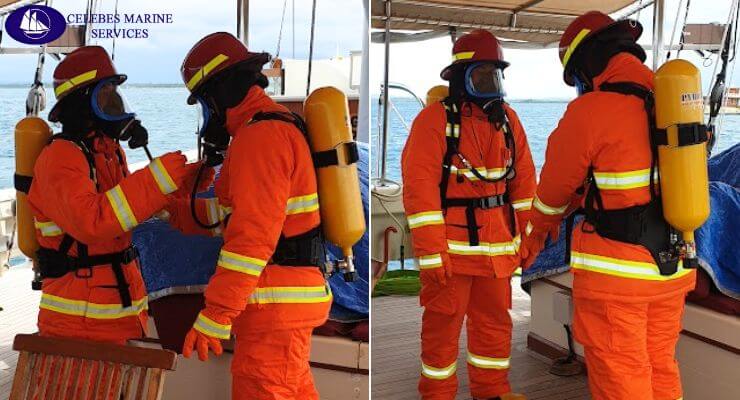
4. Personal Protective Equipment (PPE)
Ensuring the safety of firefighters is paramount, and proper PPE plays a vital role in achieving this goal. This includes fire-resistant clothing, helmets, gloves, and boots, providing protection against heat, flames, and hazardous materials encountered during firefighting operations.
5. Ventilation Fans
Effective ventilation is crucial for maintaining a breathable atmosphere and reducing heat and smoke buildup inside a vessel during firefighting efforts. Portable ventilation fans help clear smoke-filled spaces, allowing firefighters better visibility and improving overall safety conditions.
Frequently Asked Questions (FAQ)
1. Q: What types of fires can portable fire extinguishers handle?
A: Portable fire extinguishers are designed to tackle various types of fires, including Class A (wood, paper), Class B (flammable liquids), and Class C (electrical) fires.
2. Q: How do thermal imaging cameras aid in firefighting efforts?
A: Thermal imaging cameras help firefighters detect heat signatures, allowing them to locate fires and hot spots, even in smoke-filled environments.
3. Q: Are fire hoses and nozzles standardized for marine firefighting?
A: Yes, fire hoses and nozzles used in marine firefighting are designed to meet specific standards and regulations, ensuring reliability and compatibility across different vessels.
4. Q: What should I look for in personal protective equipment for marine firefighting?
A: When selecting PPE, prioritize fire-resistant materials, proper fit, and comfort to ensure maximum protection and ease of movement during firefighting operations.
5. Q: How do ventilation fans improve safety during marine firefighting?
A: Ventilation fans help clear smoke-filled spaces, improving visibility and creating a safer environment for firefighters to operate in.
6. Q: Can thermal imaging cameras be used in all weather conditions?
A: Yes, thermal imaging cameras are effective in various weather conditions, including fog, rain, and darkness, making them valuable tools for marine firefighting.
7. Q: How often should portable fire extinguishers be inspected and maintained?
A: Portable fire extinguishers should be inspected regularly according to regulatory requirements, typically every month, with more comprehensive maintenance performed annually.
8. Q: What training is required to use marine firefighting tools effectively?
A: Proper training and certification are essential for using firefighting tools safely and effectively. Training programs cover equipment operation, fire behavior, and emergency response protocols.
9. Q: Can ventilation fans be used in enclosed spaces?
A: Yes, ventilation fans are designed to be used in confined spaces to improve air circulation and remove smoke and toxic gases during firefighting operations.
10. Q: How can I get more information about marine firefighting equipment and training?
A: For more information about marine firefighting equipment, training programs, and safety regulations, please contact our administrative team. We’re here to assist you with any inquiries or assistance you may need.
Conclusion
In conclusion, equipping marine firefighters with the essential tools and training is crucial for ensuring effective emergency response and safeguarding lives and vessels at sea. By investing in quality equipment, adhering to safety protocols, and providing comprehensive training, we can enhance the readiness and capabilities of maritime firefighting teams. Remember, preparedness saves lives.
For expert guidance on marine firefighting equipment, training, and safety procedures, contact our administrative team today to email: john@celebesmarine.com or chat on WhatsApp +62821-4471-5590 . Don’t wait until it’s too late – prioritize safety and preparedness to protect your crew and assets at sea.


One Response
Hi, this is a comment.
To get started with moderating, editing, and deleting comments, please visit the Comments screen in the dashboard.
Commenter avatars come from Gravatar.