
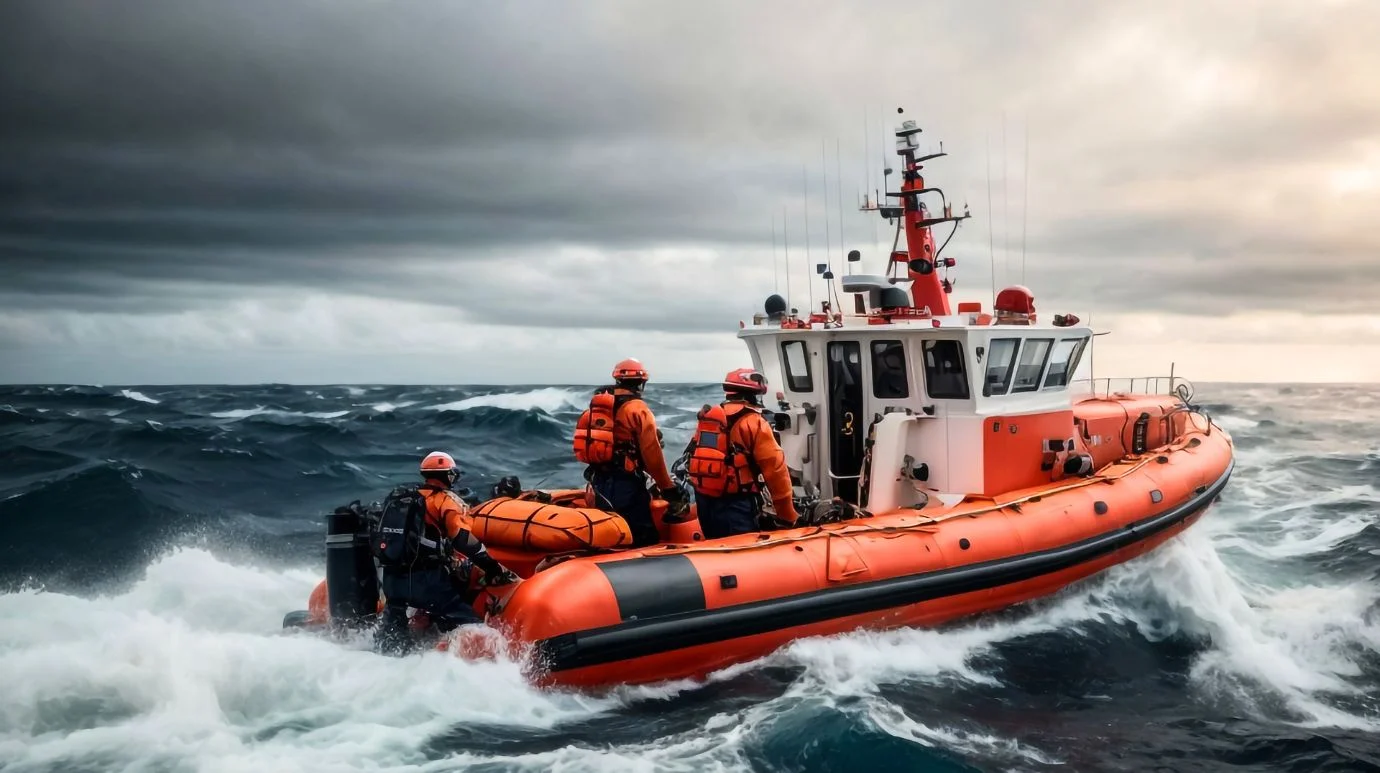
6 Reasons Why Marine Safety Training Is Essential for Ship Crew
When you’re out on the open sea, you’re in a world where the stakes are high and there’s no room for error. Think about it—you’re miles away from land, surrounded by nothing but water. If something goes wrong, there’s no pulling over and waiting for help. That’s why marine safety training is a must for ship crew. Here are six reasons why it’s absolutely essential to ensure everyone on board is prepared for anything.
The Critical Role of Safety at Sea
Safety at sea isn’t just a nice-to-have; it’s a survival skill. Ships are complex environments with a lot of moving parts, literally and figuratively. Between the heavy machinery, hazardous cargo, and unpredictable weather, there’s a lot that can go wrong. So, let’s get into why marine safety training is more than just a checkbox on a safety form—it’s the difference between smooth sailing and absolute chaos.
1. Reducing Risks and Accidents
Marine safety training is all about keeping accidents at bay. It’s like having a safety net that you never see but is always there to catch you if you fall. The training helps crew members understand the risks, from slippery decks to faulty wiring, and teaches them how to avoid common accidents. You know those “Wet Floor” signs you see everywhere? In a ship, they’re not just a formality; they’re lifesavers. Marine safety training gives the crew the tools to identify risks and address them before they turn into something worse. No one wants to be the person who slipped and fell into the engine room, right?
2. Rapid Response to Emergencies
Accidents happen, even with the best safety protocols. When they do, you need people who know how to respond, and fast. Marine safety training includes emergency drills for everything from fires to man overboard. It’s like practicing for a game—you run the plays over and over until it becomes second nature. When an emergency strikes, there’s no time to fumble around; you need to act. Whether it’s grabbing a fire extinguisher or launching lifeboats, the quicker you respond, the better the outcome. It’s the difference between a close call and a full-blown disaster.
3. Ensuring Effective Communication
Communication is key on a ship. You can’t have people running around like headless chickens when there’s an emergency. Marine safety training teaches crew members how to communicate effectively during a crisis. It’s not just about shouting instructions; it’s about clear, concise communication that everyone understands. Think of it like a symphony orchestra—everyone has to play their part in harmony, or it’s just noise. Effective communication helps coordinate efforts, ensuring everyone is on the same page when it matters most. No one wants to be the person who didn’t get the memo about the fire drill, right?
4. Enhancing Teamwork and Collaboration
A ship’s crew is like a family—you live together, work together, and depend on each other. Marine safety training fosters teamwork and collaboration, which is crucial when you’re out at sea. The training often involves group exercises and drills that require coordination and trust. It’s like a team-building retreat, but with life-and-death stakes. When everyone works together, the ship runs smoothly, and emergencies are easier to handle. It’s the difference between a well-oiled machine and a pile of rusting metal. A tight-knit crew can tackle anything, from rough seas to unexpected fires.
5. Meeting Legal and Regulatory Requirements
Let’s talk about the not-so-glamorous side of marine safety—regulations. Ships are subject to a ton of rules and regulations to ensure safety at sea. Marine safety training helps crew members understand these requirements and ensures compliance. It’s not just about avoiding fines or penalties; it’s about ensuring the ship is safe for everyone on board. Think of it like a driving test—you wouldn’t want someone driving a car without knowing the rules of the road, right? The same goes for ships. Compliance with safety regulations is crucial for a smooth and legally sound operation.
6. Protecting the Environment
Last but not least, marine safety training is essential for protecting the environment. Ships carry all sorts of hazardous materials, from oil to chemicals. If there’s a spill, it can wreak havoc on marine life and coastal ecosystems. Marine safety training teaches the crew how to prevent spills and respond quickly if they occur. It’s like being a guardian of the sea—you learn how to take care of the environment while keeping the ship safe. By preventing spills and reducing pollution, marine safety training helps ensure our oceans stay clean and vibrant for generations to come.
Challenges in Marine Safety Training
Marine safety training isn’t without its challenges. It can be time-consuming and expensive, and some crew members might not take it seriously. But here’s the thing—when you’re out at sea, there’s no room for shortcuts. Addressing these challenges requires a commitment to safety and a willingness to put in the effort. The benefits far outweigh the costs, and the training can literally save lives. Overcoming these obstacles is part of what makes marine safety training so important.
FAQs
Here are 10 questions people often ask about marine safety training:
1. Do all ship crew need marine safety training?
Yes, all crew members should have some level of marine safety training to ensure safety on board.
2. How often should safety drills be conducted on ships?
Most ships conduct safety drills regularly, often once a month, to keep the crew prepared.
3. What types of emergencies does marine safety training cover?
It covers a wide range of emergencies, including fires, man overboard, and evacuation procedures.
4. Is marine safety training required by law?
Yes, many maritime regulations require ship crews to have specific safety training and certifications.
5. How does marine safety training protect the environment?
It teaches the crew how to prevent spills and other environmental hazards, reducing the risk of ecological damage.
6. What’s the most important skill in marine safety training?
Effective communication and teamwork are crucial for handling emergencies and keeping everyone safe.
7. Can marine safety training help with career advancement?
Absolutely. Safety training and certifications can lead to career growth and new opportunities in the maritime industry.
8. What is the duration of basic marine safety training?
Basic training can take a few days, but advanced certifications and ongoing training require more time.
9. Does marine safety training cover firefighting?
Yes, firefighting is a major component of marine safety training, along with other emergency response skills.
10. Why is marine safety training essential for ship crew?
Because it helps prevent accidents, ensures rapid response during emergencies, and promotes environmental protection. It keeps everyone on board safe and ensures compliance with regulations.
Conclusion
Marine safety training isn’t just a box to check on a safety form; it’s a critical aspect of ensuring the safety and well-being of ship crew. From reducing risks and accidents to enhancing teamwork and protecting the environment, the benefits are clear. Whether you’re a seasoned sailor or just starting out, marine safety training can make all the difference when you’re out at sea.
So, if you’re part of a ship’s crew, take safety training seriously. You never know when you’ll need those skills to handle an emergency or save a life. It’s not just about following rules—it’s about creating a culture of safety that keeps everyone on board safe and sound. Whether you’re a captain, an engineer, or a cook, marine safety training is essential for everyone who sets foot on a ship. Stay safe, keep learning, and remember—safety always comes first.


